Our Purpose
Most restaurant management software generates extensive reports, but these reports often fail to drive action. They arrive as dense spreadsheets or PDF documents filled with numbers that require interpretation before they become useful. Restaurant owners—already managing staff, inventory, customer service, and countless other operational details—rarely have time to analyze complex data sets.
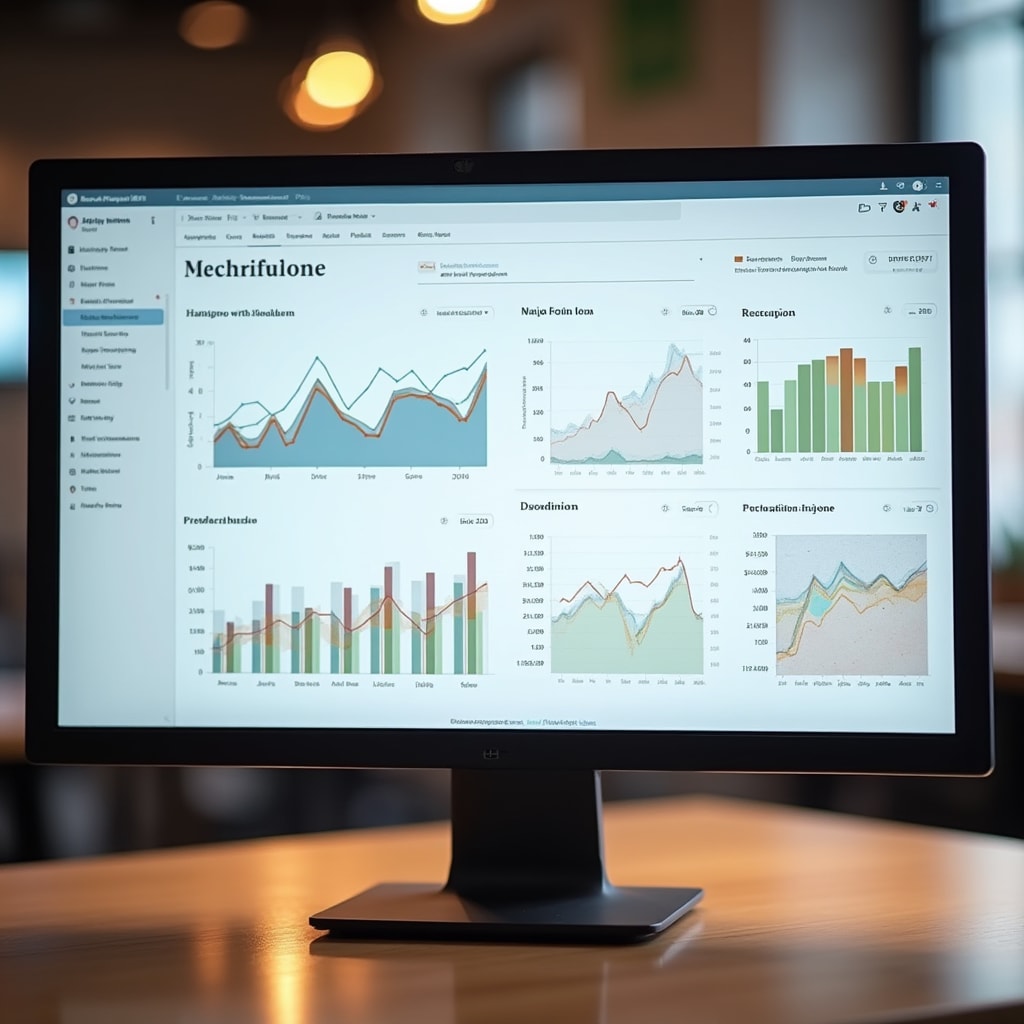
We built Nobirae to address this specific problem. The platform exists to transform raw operational data into immediately comprehensible visual representations. Rather than forcing restaurant owners to become data analysts, we present information in formats that reveal patterns at a glance.
The Data Translation Process
Every transaction in your restaurant generates data: order details, timestamps, payment amounts, table assignments, and more. This information typically remains locked within your POS system, accessible only through technical interfaces that prioritize data storage over insight generation.
Our platform connects to these systems through secure API integrations, extracting transaction records in real-time. The data then flows through processing pipelines that categorize, aggregate, and structure it according to operational relevance. A single day's transactions might generate thousands of individual data points, but our system distills these into focused metrics: occupancy percentages, revenue trends, menu item rankings, and temporal patterns.
Visual Clarity Over Data Volume
The human brain processes visual information more efficiently than numerical tables. A graph showing occupancy trends throughout the week communicates more immediately than a spreadsheet listing hourly seat counts. Our interface prioritizes visual representations—line graphs for temporal trends, bar charts for comparative metrics, heat maps for pattern identification.
Each visualization includes contextual information: percentage changes from previous periods, annotations marking significant events, and threshold indicators showing when metrics fall outside expected ranges. The goal is not simply to display data, but to highlight what requires attention.

Operational Focus
We deliberately limit the platform's scope to metrics that directly influence restaurant operations. The system does not track every possible data point—only those that inform specific decisions:
- Occupancy data influences staffing schedules and reservation policies
- Menu performance metrics guide ingredient ordering and menu design
- Revenue patterns inform pricing strategies and promotional timing
- Peak hour analysis optimizes kitchen workflow and service capacity
This focused approach prevents information overload. Rather than presenting dozens of metrics simultaneously, the dashboard surfaces the most relevant data for current operational needs. A restaurant preparing for dinner service sees different information than one analyzing last month's performance.
Integration Philosophy
We designed the platform to complement existing restaurant systems rather than replace them. Your POS handles transactions, your reservation system manages bookings, your accounting software tracks finances. Nobirae sits alongside these tools, extracting data from each to create unified operational insights.
This integration approach respects the reality that restaurants already use multiple software systems. Rather than forcing migration to yet another all-in-one platform, we connect to what you already have, adding analytical capabilities without disrupting established workflows.
Built for Independent Operators
Large restaurant chains employ dedicated analysts and data teams. They have resources to build custom reporting systems and hire specialists to interpret complex data. Small independent restaurants operate differently—owners often handle multiple roles simultaneously, and analytical resources remain limited.
We developed this platform specifically for independent operators who need professional-grade analytics without professional-grade complexity. The interface assumes no technical background, the setup process requires no specialized knowledge, and the ongoing operation demands minimal time investment.
This focus on independent restaurants shapes every design decision. Features prioritize practical utility over technical sophistication. The platform answers questions that restaurant owners actually ask, not questions that data scientists find interesting.
Continuous Refinement
Restaurant operations evolve, customer behaviors shift, and business priorities change. The platform adapts through regular updates informed by user feedback and operational patterns we observe across our client base. When multiple restaurants request similar functionality, we evaluate whether it serves the broader user community. When data reveals new patterns worth tracking, we develop visualizations to surface them.
This iterative development approach means the platform you use today will expand its capabilities over time, always maintaining focus on operational relevance rather than feature accumulation for its own sake.