Analytical Insights
Understanding how the platform transforms operational data into actionable insights for restaurant management.
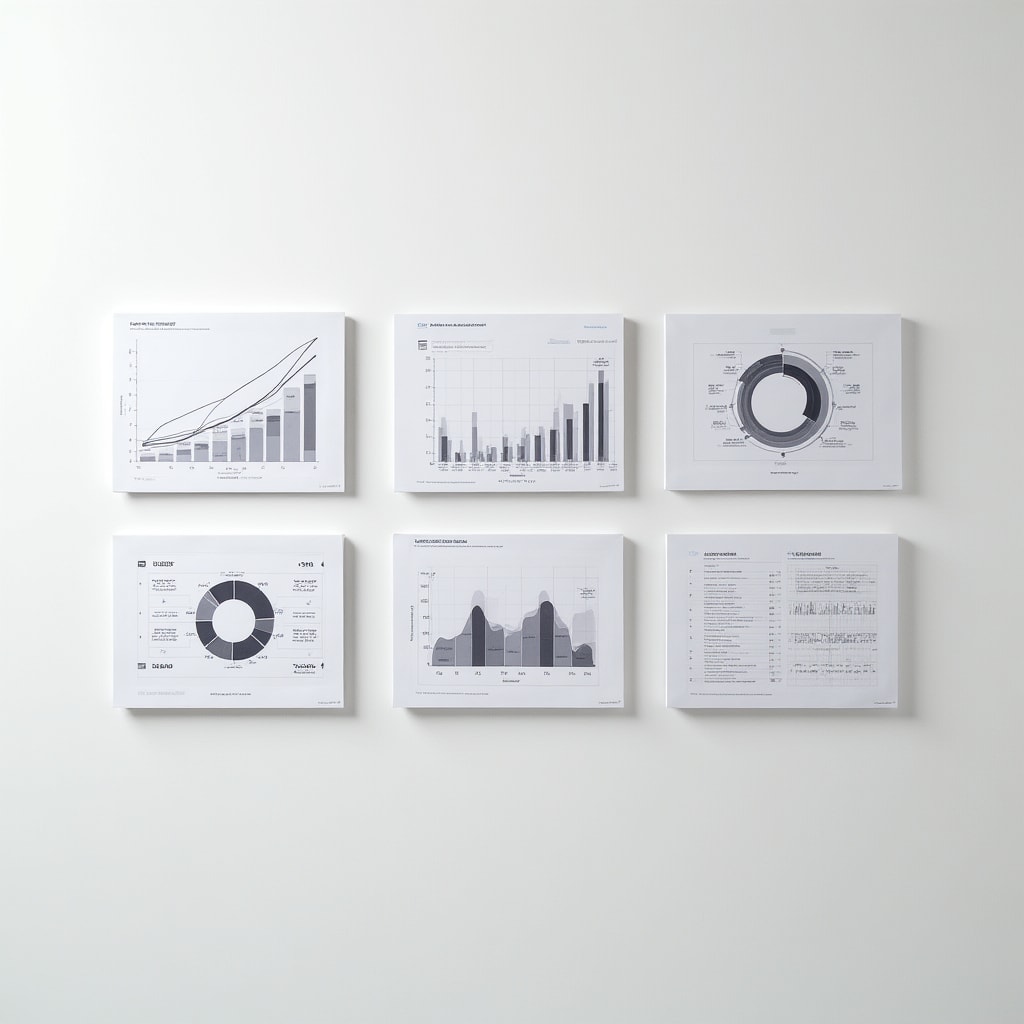
Occupancy Pattern Recognition
The platform analyzes seating data to identify utilization patterns across different time periods. By comparing actual occupancy against total capacity, the system calculates efficiency percentages for each service period. This analysis reveals not just when seats fill, but how consistently different areas of your restaurant attract customers.
Temporal patterns emerge through week-over-week comparison. The system identifies which days consistently show high or low occupancy, which hours within each day see peak demand, and how these patterns shift seasonally. This information directly informs staffing decisions—you can align labor costs with actual demand rather than relying on estimates.
The visualization presents occupancy data through heat maps that show intensity of usage across time periods and physical space. Darker shades indicate higher utilization, making it immediately apparent which tables or sections remain underused. This spatial analysis can guide decisions about table arrangement, reservation policies, or even physical remodeling.
Menu Performance Metrics
Every menu item generates multiple data points: order frequency, revenue contribution, preparation time, and ingredient cost. The platform correlates these variables to create a comprehensive performance profile for each dish. This analysis categorizes items into four quadrants based on popularity and profitability.
High-popularity, high-profit items represent your menu stars—dishes that both attract customers and generate strong margins. These deserve prominent placement and consistent availability. High-popularity, low-profit items may require repricing or recipe adjustment to improve margins without sacrificing customer appeal.
Low-popularity items receive scrutiny regardless of profitability. Even if margins are strong, dishes that rarely sell tie up inventory and kitchen capacity. The data helps you make informed decisions about menu pruning, understanding which items contribute to your business and which simply occupy menu space.
Preparation time analysis reveals operational bottlenecks. When certain dishes consistently delay service during peak hours, the visualization highlights this pattern. You can then decide whether to adjust recipes, pre-prepare components, or limit availability during busy periods.

Revenue Pattern Analysis
Transaction data reveals spending patterns across different customer segments and time periods. The platform calculates average check values segmented by party size, day of week, and time of day. This granular analysis shows how customer spending varies based on context.
Weekend evenings might show higher per-person spending than weekday lunches, but the data quantifies this difference precisely. You can identify which service periods generate the most revenue per seat, helping prioritize operational focus and resource allocation.
The system also tracks check composition—how customers combine menu items. This reveals common ordering patterns: which appetizers pair with which entrees, how often desserts follow meals, whether drink orders correlate with specific food choices. Understanding these patterns informs menu design, suggesting which items to position near each other or promote together.
Revenue trend visualization shows performance over time, making it easy to spot growth or decline patterns. The system highlights significant changes—sudden drops or spikes that warrant investigation. This early warning system helps you respond to problems before they compound or capitalize on positive trends while momentum exists.
Temporal Demand Mapping
Customer arrival patterns determine nearly every operational decision in a restaurant. The platform timestamps all transactions and reservations, building a detailed picture of demand flow throughout your operating hours. This analysis extends beyond simple peak identification to reveal the shape and duration of demand curves.
Some restaurants experience sharp peaks—sudden influxes of customers during specific windows. Others see gradual builds and declines. Understanding your specific pattern helps optimize staffing. Sharp peaks require quick staff mobilization, while gradual patterns allow more flexible scheduling.
The system also identifies micro-patterns within service periods. Perhaps Saturday dinner shows consistent demand from opening through closing, while Tuesday dinner starts slow, peaks mid-service, then drops sharply. This granular understanding enables precise resource deployment—adjusting kitchen staffing, server assignments, and ingredient preparation to match actual demand timing.
Day-of-week analysis reveals weekly rhythms. The platform compares each weekday's performance, highlighting which days consistently outperform or underperform. This information guides promotional timing—you might target slower days with special offers while maintaining regular operations during naturally busy periods.
Comparative Period Analysis
Current performance gains context through comparison with previous periods. The platform automatically generates comparisons across multiple timeframes: this week versus last week, this month versus last month, this year versus last year. These comparisons reveal whether changes in your metrics represent genuine trends or normal variation.
Percentage change calculations make it easy to assess performance shifts. A five percent increase in average check value is immediately visible, as is a ten percent drop in weekday lunch occupancy. The system highlights significant changes, drawing attention to metrics that deviate substantially from historical patterns.
Seasonal adjustment becomes possible with year-over-year comparison. Restaurant performance naturally fluctuates with seasons, holidays, and local events. By comparing current performance against the same period last year, you can distinguish seasonal patterns from genuine business changes.
The visualization presents these comparisons through overlay graphs that show current and historical data simultaneously. This format makes it easy to spot divergence points—moments when current performance deviates from established patterns. These divergences often indicate something worth investigating: a new competitor, changing customer preferences, or operational issues requiring attention.
Export and Integration
While the platform provides comprehensive visualization within its interface, you may need to share data with accountants, incorporate it into other business systems, or maintain external records. The export functionality allows you to extract both raw data and processed reports in standard formats.
CSV exports provide raw data suitable for import into spreadsheets or databases. This format preserves all detail, allowing you to perform custom analysis or combine restaurant data with information from other sources. PDF exports create formatted reports suitable for printing or email distribution.
For businesses using additional analytical tools or enterprise software, API access enables automated data transfer. Your accounting system might pull daily revenue totals, or your inventory management system might receive menu performance data. These integrations eliminate manual data entry and ensure consistency across your business systems.
See Your Data Differently
Contact us to discuss how these analytical insights apply to your specific restaurant operations and what patterns we might uncover in your data.
Schedule Discussion